Table of Content
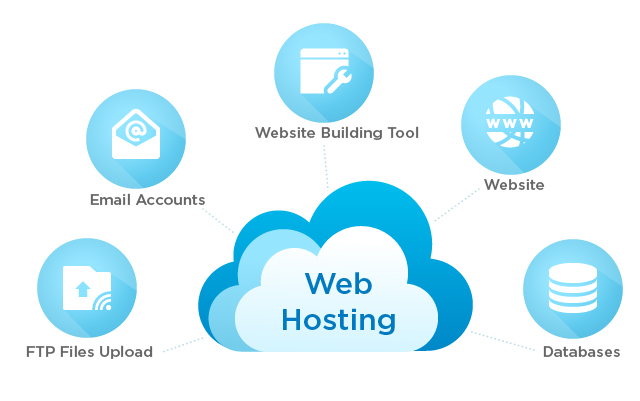
Web hosting services are an essential component of the internet, allowing individuals and businesses to create and maintain websites. A web hosting service provides the technology and infrastructure necessary to store and display website content on the internet. There are many different types of web hosting services available, each with its own unique features and benefits.
Key Takeaways
- There are many different types of web hosting services available, each with its own unique features and benefits.
- Choosing the right type of web hosting service depends on the specific needs and goals of the website owner.
- Web hosting services are an essential component of the internet, allowing individuals and businesses to create and maintain websites.
One of the most common types of web hosting services is shared hosting, which involves multiple websites sharing a single server and its resources. This type of hosting is generally the most affordable option, making it a popular choice for small businesses and individuals. Other types of web hosting services include dedicated hosting, virtual private server (VPS) hosting, and cloud hosting, each with its own advantages and disadvantages. Choosing the right type of web hosting service depends on the specific needs and goals of the website owner.
If you are considering running a virtual private server or dedicated hosting, then you will need to find a competent VPS provider who can offer what you need. This will help to speed up the process and allow you to have all the support you need for your VPS. It also helps to ensure that you get a provider with a good reputation.
You will find with a VPS provider that they will have a wide range of options. They will be able to offer a variety of reseller packages that will suit most needs. It is always best to make sure that you take the time to explore all of the available options. You will find that you can do a lot of things by just looking at one provider.
A Beginner’s Guide to Web Hosting
If you’re planning to start a website for yourself, it’s important to have some basic knowledge about web hosting. While the technical details are easy to grasp, a beginner’s guide to web hosting may be difficult to digest.
Web hosting is a service offered by an online web hosting provider, where you can upload files and programs on your own website. You can also rent out space for your site through a hosting company. However, there are a lot of other things that you should learn first before using a host. This will help you get a handle on web hosting’s technicalities before diving into the more complex issues. As you get into the domain of web hosting, you may encounter problems that you may not have known you could encounter.
One issue that many beginners encounter when using a host is security. Many times, users fail to recognize that they are sending a form via email. Once they have sent it, they can send another one or create a new one to gain entry. But when the server sees that the form is not an email attachment, it has to delete the email attached to the form. This will cause a delay because the system needs to reboot the server. This process causes many problems for beginners.
Another thing beginners frequently encounter when using web hosting is the lack of support. Most companies provide support staff to help you troubleshoot common problems. This is not always the case, though, so it’s important to ask any questions that you may have in advance to know you won’t be disappointed later on. Also, ask what the company will do if you need to replace the software or hardware. Some companies can send replacements at no cost.
Types of Web Hosting Services
When it comes to web hosting services, there are several types available to choose from. Each type of hosting service has its own set of benefits and drawbacks. In this section, we will discuss the most common types of web hosting services available.
Shared hosting is the most common type of web hosting service. In shared hosting, multiple websites are hosted on a single server. This means that resources such as CPU, memory, and storage are shared among all the websites hosted on that server. Shared hosting is a cost-effective option for small websites and businesses that do not require a lot of resources.
VPS Hosting
VPS stands for Virtual Private Server. In VPS hosting, a physical server is divided into multiple virtual servers. Each virtual server operates independently and has its own set of resources such as CPU, memory, and storage. VPS hosting is a good choice for websites that require more resources than shared hosting can provide, but do not require a dedicated server.
Dedicated Hosting
Dedicated hosting is a type of hosting where a single server is dedicated to a single website or business. This means that all resources such as CPU, memory, and storage are dedicated to that website or business. Dedicated hosting is a good choice for websites that require a lot of resources, such as high-traffic websites, e-commerce websites, or websites that handle sensitive information.
Cloud Hosting
Cloud hosting is a type of hosting where resources are spread across multiple servers. This means that if one server goes down, another server will take over, ensuring that your website stays online. Cloud hosting is a good choice for websites that require high availability and scalability.
Managed Hosting
Managed hosting is a type of hosting where the hosting provider takes care of all the technical aspects of hosting your website. This includes server maintenance, security, backups, and software updates. Managed hosting is a good choice for businesses that do not have the technical expertise to manage their own server.
In conclusion, choosing the right type of web hosting service is important for the success of your website. Each type of hosting service has its own set of benefits and drawbacks, so it is important to choose the one that best fits your needs and budget.
When choosing the right hosting service, many people tend to go for either a shared or dedicated server. However, when it comes down to deciding what type of hosting will best suit your needs and budget, you have a few different options.
A shared server is one where many people share the server with other people. This means that although you have one server, you also share the resources used on the server. Shared servers tend to be the cheapest type of web hosting. And can be good if you have a small website that you want to keep running at all times.
A dedicated server is a completely dedicated server, and the server is run by you (the owner) on your system. There’s no one else using the server – only you. Although it’s cheaper than a shared server. This type of hosting tends to be quite slow and not having all the features you would get with a dedicated server. If you have a very fast machine, you may find that a dedicated server is not the best option.
With all these types of hosting, there are a few things that you need to think about before you choose the right type of hosting for you. Let’s take a look at some of these factors.
When choosing the type of server, you’ll need to first decide what sort of services you’ll need from it. You should consider how much bandwidth you need, disk space, and how much your operating cost will be. There are a lot of factors to consider when choosing your web host, but some of them are not important at all. For example, disk space is important, but your operating cost might be just as important.
How to Choose a Web Hosting Provider
Choosing a web hosting provider can be a daunting task for those new to website management. However, with a little research and understanding of your needs, you can find the right provider that meets your requirements and budget. Here are some factors to consider when choosing a web hosting provider.
Understanding Your Needs
Before selecting a web hosting provider, it is important to understand your website’s needs. Consider the type of website you want to host, the amount of traffic you expect, and the resources required to run your website. This information will help you determine the type of hosting plan you need, such as shared hosting, VPS hosting, or dedicated hosting.
Comparing Features and Pricing
After identifying your needs, compare the features and pricing of different web hosting providers. Look for providers that offer the features you need, such as bandwidth, storage, and email accounts. Consider the pricing structure, including any discounts or promotions, and ensure that the provider offers transparent pricing with no hidden fees.
Evaluating Uptime and Reliability
Uptime and reliability are critical factors to consider when choosing a web hosting provider. Look for providers that offer at least 99.9% uptime and have a reputation for reliability. Check for customer reviews and testimonials to see how the provider has performed in the past.
Considering Customer Support
Customer support is another important factor to consider when choosing a web hosting provider. Look for providers that offer 24/7 support and multiple support channels, such as phone, email, and live chat. Consider the provider’s response time and the quality of their support staff.
Scalability Options
Finally, consider the scalability options offered by the web hosting provider. Look for providers that offer easy upgrades to higher plans or additional resources, such as CPU and RAM. This will ensure that your website can grow and handle increased traffic without having to switch providers.
By considering these factors, you can choose a web hosting provider that meets your needs and provides reliable and affordable hosting for your website.
Technical Aspects of Web Hosting
Server Specifications
Web hosting services offer different types of server specifications to meet the needs of their clients. These specifications include the type of server hardware, the processor speed, the amount of RAM, and the type of operating system used. A high-quality server with the latest hardware and software ensures that the website runs smoothly and efficiently.
Bandwidth and Data Transfer
Bandwidth and data transfer refer to the amount of data that can be transferred between the website and its visitors. The higher the bandwidth and data transfer, the faster the website will load. Web hosting services offer different levels of bandwidth and data transfer, depending on the needs of their clients.
Storage Types and Capacity
Web hosting services offer different types of storage, such as solid-state drives (SSDs) and hard disk drives (HDDs). SSDs are faster and more reliable than HDDs, but they are also more expensive. The storage capacity of the server is also an important consideration, as it determines how much data the website can store.
Security Features
Security is a crucial aspect of web hosting. Web hosting services offer different security features, such as firewalls, intrusion detection systems, and SSL certificates. These security features protect the website from hackers and other malicious attacks.
Backup and Recovery Solutions
Web hosting services offer backup and recovery solutions to ensure that the website data is safe and can be restored in case of a disaster. These solutions include regular backups, automated backups, and disaster recovery plans. It is important to choose a web hosting service that offers reliable backup and recovery solutions to protect the website data.
Domain Names and Web Hosting
When it comes to creating a website, one of the first things to consider is the domain name and web hosting. A domain name is the address that users will type in to access the website, while web hosting is the service that stores the website’s files and makes it accessible online.
Domain Registration Process
The process of registering a domain name is relatively straightforward. Users can search for available domain names and purchase them through a domain registrar. Some popular domain registrars include GoDaddy, Namecheap, and Google Domains.
During the registration process, users will need to provide personal information such as their name, address, and contact information. It’s important to choose a domain name that is easy to remember and relevant to the website’s content.
Integration with Hosting
Once a domain name is registered, it needs to be integrated with web hosting. This is done by pointing the domain name’s DNS (Domain Name System) settings to the web hosting provider’s servers. The web hosting provider will provide users with the necessary DNS information to make this integration possible.
Subdomains and Parked Domains
Web hosting services also provide options for creating subdomains and parked domains. Subdomains are essentially separate websites that are part of the main website. For example, a subdomain could be used for a blog or a forum.
Parked domains, on the other hand, are domain names that are registered but not currently in use. They can be used to redirect users to the main website or to create a separate landing page.
Overall, domain names and web hosting are essential components of creating a website. It’s important to choose a reliable web hosting provider and a memorable domain name to ensure the website is accessible and easy to find.
Content Management Systems and Hosting
Content management systems (CMS) are popular platforms for creating and managing websites. When it comes to hosting a CMS, it is important to choose a web hosting provider that can support the specific CMS software. Here are some popular CMS platforms and their hosting requirements.
WordPress Hosting
WordPress is the most popular CMS platform, powering over 40% of all websites on the internet. This requires PHP and MySQL to run, making it compatible with most web hosting providers. However, for optimal performance and security, it is recommended to choose a web hosting provider that offers specialized WordPress hosting, such as managed WordPress hosting.
Managed WordPress hosting providers offer features such as automatic updates, daily backups, and enhanced security measures to ensure the smooth operation of a WordPress website. Some popular managed WordPress hosting providers include WP Engine, Bluehost, and SiteGround.
Joomla Hosting
Joomla is another popular CMS platform, known for its flexibility and ease of use. That requires PHP and MySQL to run, making it compatible with most web hosting providers. However, for optimal performance and security, it is recommended to choose a web hosting provider that offers specialized Joomla hosting.
Managed Joomla hosting providers offer features such as automatic updates, daily backups, and enhanced security measures to ensure the smooth operation of a Joomla website. Some popular managed Joomla hosting providers include Rochen, InMotion Hosting, and A2 Hosting.
Drupal Hosting
Drupal is a powerful CMS platform known for its scalability and flexibility. It requires PHP and MySQL to run, making it compatible with most web hosting providers. However, for optimal performance and security, it is recommended to choose a web hosting provider that offers specialized Drupal hosting.
Managed Drupal hosting providers offer features such as automatic updates, daily backups, and enhanced security measures to ensure the smooth operation of a Drupal website. Some popular managed Drupal hosting providers include Pantheon, Acquia, and SiteGround.
In conclusion, when it comes to hosting a CMS, it is important to choose a web hosting provider that can support the specific CMS software. Managed hosting providers offer specialized features to ensure the smooth operation of a CMS website, making them a popular choice among website owners.
E-commerce Hosting Solutions
E-commerce hosting solutions are specifically designed to cater to the needs of online businesses, providing them with the necessary tools and features to run their online stores effectively. In this section, we will discuss some of the essential components of e-commerce hosting solutions.
Shopping Cart Integration
One of the most critical components of e-commerce hosting solutions is shopping cart integration. A shopping cart is a software application that allows customers to select and purchase products from an online store. E-commerce hosting solutions should provide a shopping cart that is easy to use, reliable, and secure. It should also be customizable to meet the specific needs of the online store.
Payment Processors and Security
E-commerce hosting solutions should provide secure payment processing options to ensure that customers’ financial information is safe. Payment processors like PayPal, Stripe, and Authorize.net are commonly used in e-commerce hosting solutions. These payment processors should be integrated into the online store and should comply with industry standards for security and privacy.
SSL Certificates
An SSL certificate is a digital certificate that encrypts data between a web server and a web browser. It ensures that sensitive information, such as credit card numbers and personal details, is transmitted securely. E-commerce hosting solutions should provide SSL certificates to online stores to ensure the safety and security of their customers’ information.
In conclusion, e-commerce hosting solutions should provide shopping cart integration, secure payment processing options, and SSL certificates to ensure the safety and security of online stores and their customers.
Email Hosting and Features
Email Accounts and Management
Web hosting services often provide email hosting as part of their packages. This means that users can create email accounts with their own domain name, such as [email protected]. The number of email accounts available will depend on the hosting package chosen.
Email management tools are also typically provided, allowing users to create and delete email accounts, set up forwarding and autoresponders, and manage email storage. Some hosting services may also offer webmail access, allowing users to access their email accounts through a web browser.
Spam Filtering and Security
Spam emails can be a major nuisance and security risk for email users. Most web hosting services offer spam filtering to help protect users from unwanted emails. These filters work by analyzing incoming emails and identifying those that are likely to be spam. They can then either delete or quarantine these emails, preventing them from reaching the user’s inbox.
In addition to spam filtering, email security is also important. Web hosting services may offer features such as SSL encryption for email connections, as well as virus scanning and malware protection. These measures can help ensure that emails are secure and free from malicious content.
Overall, email hosting and related features are an important consideration when choosing a web hosting service. By providing reliable email accounts and effective spam filtering and security, hosting services can help ensure that users can communicate safely and efficiently.
Web Hosting Control Panels
Web hosting control panels are essential tools for managing websites and server configurations. They provide a user-friendly interface for managing various aspects of web hosting, including email accounts, databases, domains, and server settings. In this section, we will discuss three of the most popular web hosting control panels: cPanel, Plesk, and DirectAdmin.
cPanel
cPanel is a Linux-based control panel that is widely used in the web hosting industry. It offers a wide range of features, including a file manager, email management tools, website statistics, and one-click installation of popular applications like WordPress and Joomla. cPanel is known for its user-friendly interface and extensive documentation, making it a popular choice for beginners and experienced users alike.
Plesk
Plesk is a cross-platform control panel that supports both Windows and Linux hosting environments. It offers similar features to cPanel, including email management, file management, and website statistics. Plesk also includes support for multiple languages and a mobile app for managing servers on the go. Plesk is a popular choice for web developers and hosting providers who require a flexible and customizable control panel.
DirectAdmin
DirectAdmin is a lightweight control panel that is designed to be fast and easy to use. It offers a simple interface for managing websites, email accounts, and server settings. DirectAdmin is known for its low resource usage and fast performance, making it a popular choice for small to medium-sized websites. It also includes support for multiple languages and a range of third-party plugins and addons.
In conclusion, web hosting control panels are essential tools for managing websites and server configurations. Each control panel has its own unique features and benefits, and the choice of which control panel to use will depend on the specific needs of the user. Whether you choose cPanel, Plesk, or DirectAdmin, you can be confident that you are using a reliable and user-friendly control panel for your web hosting needs.
Website Performance Optimization
To ensure that a website performs well, it is important to optimize its performance. There are several ways to optimize website performance, including the use of content delivery networks, caching mechanisms, and load balancing.
Content Delivery Networks
Content delivery networks (CDNs) are networks of servers that are distributed across the globe. They work by caching website content on servers that are located close to the user’s location. This helps to reduce the time it takes for the website to load, as the content is served from a server that is closer to the user.
CDNs also help to reduce the load on the website’s servers, as the content is served from the CDN’s servers instead of the website’s servers. This can help to improve the website’s overall performance and reduce the risk of downtime.
Caching Mechanisms
Caching mechanisms are used to store frequently accessed website content in a cache. This helps to reduce the time it takes to load the website, as the content is served from the cache instead of the website’s servers.
There are several types of caching mechanisms, including browser caching, server caching, and database caching. Browser caching involves storing website content in the user’s browser cache, while server caching involves storing website content in the server’s cache. Database caching involves storing website content in the database’s cache.
Load Balancing
Load balancing involves distributing website traffic across multiple servers. This helps to reduce the load on each server, which can help to improve the website’s overall performance and reduce the risk of downtime.
Load balancing can be achieved using hardware or software solutions. Hardware load balancers are physical devices that are placed between the website’s servers and the internet. Software load balancers are applications that are installed on the website’s servers.
By implementing these website performance optimization techniques, website owners can improve their website’s performance and reduce the risk of downtime.
Web Hosting Trends and Future Directions
As technology advances and the demand for online presence grows, web hosting services continue to evolve. Here are some of the latest trends and future directions in web hosting:
Cloud Hosting
Cloud hosting has become increasingly popular in recent years due to its flexibility, scalability, and cost-effectiveness. With cloud hosting, websites are hosted on virtual servers that are accessed through a network of servers. This allows for easy scaling up or down of resources depending on the website’s needs. Additionally, cloud hosting providers often offer pay-as-you-go pricing models, making it a more affordable option for smaller businesses.
Security
As cyber threats continue to rise, web hosting providers are placing a greater emphasis on security. Many providers now offer advanced security features such as SSL certificates, firewalls, and malware scanning. Some providers even offer DDoS protection to prevent website downtime due to malicious attacks.
Green Hosting
As environmental concerns become more pressing, web hosting providers are taking steps to reduce their carbon footprint. Green hosting providers use renewable energy sources such as wind or solar power to power their servers. Additionally, they may use energy-efficient hardware and cooling systems to reduce energy consumption.
Managed Hosting
Managed hosting has become a popular option for businesses that want to focus on their core operations rather than managing their website. With managed hosting, the web hosting provider takes care of tasks such as server maintenance, security, and backups. This allows businesses to focus on their core operations while ensuring their website is secure and running smoothly.
Overall, web hosting services continue to evolve to meet the changing needs of businesses and consumers. By staying up-to-date on the latest trends and technologies, web hosting providers can ensure they are providing the best possible service to their customers.
Top Hosting Companies in the USA
There are so many top hosting companies in the USA, like BlueHost, Hostgator, Hostinger, etc. However, not all of them can guarantee the best customer service. Most of them do not even offer any help and just take your money. So before you jump into the market, you have to find out which company is the best.
Finding the best company online is a good way to go. Because you will get information about them and other services they offer. Such as data recovery and web hosting. Also, this website will let you compare the prices of different hosting companies in the country.
Another way is to ask your friends who have already had their accounts with that particular company. Their experiences will be very useful and make sure that you are choosing the right company for you. They may have even had problems or difficulties with their account, and you can use this knowledge. It will help you determine whether or not the company can handle the problem. And how long it will take to fix it.
You also need to check out the terms and conditions of the company you have chosen. This is an important part of a hosting agreement because it will cover certain things. Like what kind of server they will provide. How long you can rent them for, what kind of payment methods you can use and how long the support will last.